Master Your Space and Mind with the 🧹 2026 Decluttering Organizer Planner
The 🧹 2026 Decluttering Organizer Planner is more than just a tool for tidying up—it’s a comprehensive system designed to help you take control of your environment and mindset. In an age where distractions are constant and time feels scarce, this planner offers a structured yet flexible approach to decluttering that aligns with your personal and professional goals. Whether you're an entrepreneur managing a busy schedule or a hobbyist seeking to simplify your life, this planner can be a powerful ally in achieving clarity and purpose.
Why Strategic Decluttering Matters for Long-Term Success
Decluttering is often seen as a quick fix, but the true value lies in its strategic application. The 🧹 2026 Decluttering Organizer Planner recognizes that physical clutter can have a direct impact on mental clarity, productivity, and decision-making. By integrating daily, weekly, and monthly tasks into a cohesive plan, it helps users build sustainable habits that support long-term outcomes.
For professionals and small business owners, a clutter-free workspace can significantly enhance focus and efficiency. Similarly, for educators and creatives, a tidy environment fosters creativity and reduces cognitive overload. The planner’s emphasis on goal tracking and habit formation ensures that decluttering becomes a consistent part of your routine rather than a one-time effort.
Key Features That Support Strategic Planning
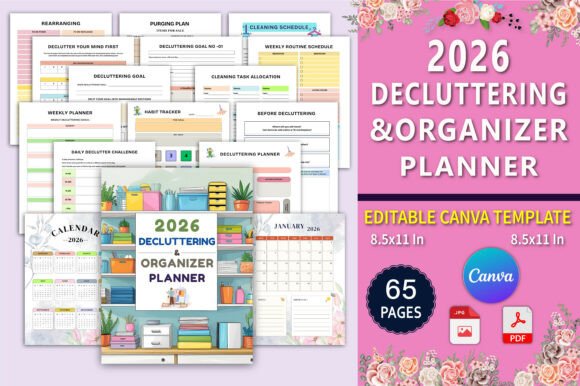
- Full 2026 Calendar: This feature allows you to map out cleaning tasks and decluttering goals across the entire year. It provides a visual overview that helps you stay on track and anticipate seasonal changes in your living space.
- Mind Declutter Prompts: Before diving into physical tasks, the planner encourages you to reflect on your mindset. These prompts help you identify emotional triggers and develop a more intentional approach to organization.
- Room-by-Room Checklists: From the kitchen to the office, these checklists ensure that no area is overlooked. They provide a clear structure for tackling each room systematically, making the process less overwhelming.
- 30-Day Challenges: These targeted challenges are designed to guide you through a structured decluttering journey. Each challenge focuses on a specific area or type of clutter, helping you achieve measurable results over time.
- Daily and Weekly Planners: These sections allow you to prioritize tasks, set schedules, and maintain consistency. They are particularly useful for those who need to integrate decluttering into their daily routines without disrupting their workflow.
- KonMari-Inspired Tips: Inspired by the principles of the KonMari Method, these tips encourage you to organize with joy and intention. They help you make decisions about what to keep, donate, or discard based on emotional value rather than utility alone.
- Goal and Habit Trackers: These tools enable you to set clear objectives and monitor your progress. Whether you’re aiming to reduce clutter in your home or improve your work-life balance, the trackers provide a sense of accomplishment and motivation.
- Family Chore Sheets: For households with multiple members, these sheets help distribute responsibilities fairly. They promote collaboration and ensure that everyone contributes to maintaining a clean and organized environment.
- Shopping and Donation Lists: Keeping track of what to buy and what to give away simplifies the decluttering process. These lists help you avoid unnecessary purchases and support community initiatives.
- Before and After Checklists: Documenting your progress allows you to celebrate achievements and see the impact of your efforts. These checklists also serve as a reminder of how far you’ve come, reinforcing positive behaviors.
When and How to Use the 🧹 2026 Decluttering Organizer Planner
The planner is ideal for anyone looking to create a more organized and mindful lifestyle. It can be used at any stage of your decluttering journey—whether you're starting from scratch or refining existing habits. Its flexibility makes it suitable for both short-term projects and long-term transformation.
To get the most out of the planner, begin by setting clear goals. Ask yourself: What do I want to achieve? How will a cleaner space impact my daily life? Once you have a vision, use the planner to break down your goals into actionable steps. The 30-day challenges are especially helpful for beginners, as they provide a roadmap for gradual progress.
For those already in the process of decluttering, the planner can serve as a maintenance tool. Regularly reviewing your progress and adjusting your strategies ensures that your efforts remain aligned with your evolving needs. The habit trackers are particularly useful for sustaining momentum over time.
Strategic Considerations for Effective Use
While the 🧹 2026 Decluttering Organizer Planner is a valuable resource, its effectiveness depends on how you approach it. Without clear goals or context, it can become a source of distraction rather than a tool for improvement. It’s essential to consider the following factors before relying on the planner:
- Alignment with Personal Values: Ensure that your decluttering goals reflect your values and priorities. A clutter-free space should support your lifestyle, not impose additional stress.
- Realistic Expectations: Decluttering is a process, not an event. Set achievable milestones and celebrate small victories to maintain motivation.
- Integration with Daily Routines: Incorporate decluttering into your existing schedule. Whether it’s a few minutes each morning or a dedicated task each week, consistency is key.
- Adaptability: Be open to adjusting your approach as needed. The planner is a guide, not a rigid framework. Flexibility allows you to tailor the system to your unique circumstances.
- Long-Term Perspective: View decluttering as part of a broader strategy for well-being. A clean space can lead to better decision-making, improved focus, and enhanced overall quality of life.
Practical Examples and Planning Tips
Consider a freelance writer who struggles with a chaotic workspace. By using the planner’s room-by-room checklists, they can systematically organize their desk, files, and digital tools. The daily planners help them allocate specific times for cleaning, ensuring that their environment supports their creative process.
For a small business owner, the family chore sheets can be adapted to assign cleaning tasks among team members. This not only maintains a tidy office but also fosters a sense of shared responsibility. The shopping and donation lists assist in managing inventory and reducing waste, aligning with sustainability goals.
Another example is a teacher who wants to create a more focused classroom environment. The mind declutter prompts help them address emotional clutter, while the 30-day challenges provide a structured way to organize the classroom space. Over time, this leads to improved student engagement and a more productive teaching experience.
Risks of Using the Planner Without Clear Goals
Using the 🧹 2026 Decluttering Organizer Planner without a clear purpose can lead to frustration and wasted effort. Without defined goals, the process may feel arbitrary, and the benefits may not be fully realized. It’s important to ask: What do I hope to achieve through decluttering? How does this align with my larger objectives?
Additionally, relying solely on the planner without considering your personal context can result in a mismatch between the system and your needs. The planner is a tool, not a solution. It should be used in conjunction with self-reflection, strategic planning, and ongoing evaluation.
Conclusion: Building Lasting Habits with Intention
The 🧹 2026 Decluttering Organizer Planner is a powerful resource for anyone committed to improving their environment and mindset. By combining practical tools with strategic guidance, it empowers users to take control of their spaces and lives. Whether you're an entrepreneur, educator, or simply someone seeking greater clarity, this planner offers a pathway to meaningful change.
Remember, the key to success lies in intentionality. Use the planner as a guide, not a rulebook. Reflect on your goals, adapt the system to your needs, and embrace the process of transformation. With consistent effort and thoughtful planning, you’ll not only declutter your space—you’ll declutter your mind and unlock new possibilities for growth and fulfillment.