Healing Guide for Kids of Divorce: A Strategic Tool for Emotional Support
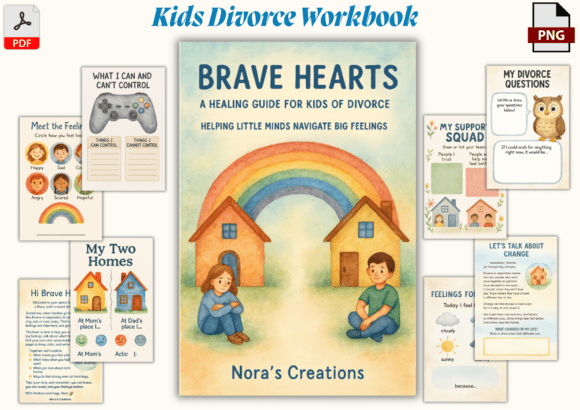
Healing Guide for Kids of Divorce is more than just a workbook—it’s a carefully crafted resource designed to help children aged 6–11 navigate the complex emotions that come with family transitions. Created by Nora’s Creations, this beautifully illustrated watercolor guide offers therapeutic activities, emotional expression pages, and calming coping tools tailored specifically for young minds dealing with divorce or separation. Its purpose goes beyond simple entertainment; it serves as a strategic tool to foster emotional safety, resilience, and confidence in children during one of life’s most challenging experiences.
Why Healing Guide for Kids of Divorce Is Strategically Useful
In today’s fast-paced world, adults often overlook the emotional impact of family changes on children. However, Healing Guide for Kids of Divorce provides a structured approach to addressing these challenges. It helps parents, educators, and counselors support children through difficult times with empathy and clarity. The workbook’s design—featuring soft watercolors and clear layouts—creates a safe and comforting environment for kids to express their feelings without fear of judgment.
Strategically, this guide supports multiple goals. For instance, it can be used in group settings to promote emotional literacy among children facing similar situations. It also aids in individual therapy sessions, offering therapists a consistent framework to guide conversations about emotions, routines, and self-expression. In educational environments, it can serve as a supplementary tool to enhance classroom discussions on family dynamics and emotional well-being.
How to Approach Healing Guide for Kids of Divorce Intentionally
Using Healing Guide for Kids of Divorce effectively requires intentionality. Before introducing the workbook to a child, consider their emotional state and readiness to engage with the material. It’s important to create a supportive atmosphere where the child feels heard and understood. This might involve setting aside dedicated time for activities, encouraging open dialogue, and modeling healthy emotional expression yourself.
The workbook includes a variety of activities such as draw-your-feelings pages, routine builders, and affirmations. These elements are not just for fun—they serve specific purposes. For example, drawing feelings allows children to externalize their emotions, making them easier to discuss and manage. Routine builders help establish stability during uncertain times, which is crucial for children’s sense of security.
When to Use Healing Guide for Kids of Divorce
Healing Guide for Kids of Divorce is particularly useful during periods of high emotional intensity, such as when a child is struggling to adjust to new living arrangements or when they’re feeling overwhelmed by changes in their daily life. It can also be beneficial during times of reflection, helping children process their experiences and build a stronger sense of self.
For professionals working with children, this guide can be incorporated into regular sessions to track progress and provide consistent support. Parents may find it helpful as a tool to facilitate conversations at home, especially if they feel unsure how to address their child’s emotions directly. Educators can use it as part of a broader curriculum on emotional intelligence and resilience.
Practical Examples and Planning Tips
One practical example of using Healing Guide for Kids of Divorce is in a school setting. A teacher might introduce a few pages from the workbook during a weekly social-emotional learning session. By doing so, they create a space where children can explore their feelings in a structured and supportive environment. This not only enhances the child’s emotional development but also fosters a sense of community among peers.
Another example is in a therapeutic context. A counselor might use the workbook as a visual aid during sessions, allowing children to point to images or drawings that resonate with their current emotions. This non-verbal form of communication can be especially powerful for younger children who may not yet have the language to articulate their feelings fully.
When planning to use the workbook, it’s important to consider the child’s age and developmental stage. For instance, younger children may benefit more from drawing and coloring activities, while older children might engage better with written affirmations or reflective questions. Adapting the approach based on the child’s needs ensures that the workbook remains relevant and effective.
What to Consider Before Relying on Healing Guide for Kids of Divorce
While Healing Guide for Kids of Divorce is a valuable resource, it should not be viewed as a standalone solution. Emotional healing is a complex process that requires ongoing support, understanding, and care. It’s essential to recognize that no single tool can address all aspects of a child’s emotional needs.
Additionally, the workbook is most effective when used in conjunction with other strategies, such as open communication, consistent routines, and professional guidance if needed. It’s also important to monitor the child’s response to the workbook and adjust its use accordingly. Some children may need more personalized attention, while others may thrive with the structured activities provided.
Long-Term Value and Strategic Positioning
Investing in Healing Guide for Kids of Divorce is not just about immediate emotional support—it’s about building long-term resilience and emotional literacy in children. By providing them with tools to understand and manage their feelings, we equip them with skills that will serve them throughout their lives.
From a strategic standpoint, this guide can be positioned as an essential resource for professionals in education, counseling, and parenting. It aligns with growing awareness around the importance of emotional health in children and supports the broader goal of creating emotionally intelligent, resilient individuals. For businesses or organizations focused on children’s well-being, incorporating this guide into their offerings can enhance their brand reputation and customer experience.
Conclusion
Healing Guide for Kids of Divorce is a thoughtfully designed resource that offers both practical and emotional benefits for children navigating family transitions. When used intentionally and in alignment with the child’s needs, it can significantly contribute to their emotional growth and resilience. Whether used in a therapeutic setting, at home, or in an educational environment, this guide serves as a valuable tool for supporting children through one of life’s most challenging experiences.