CBT for Better Thinking and Feeling
Cognitive Behavioral Therapy, or CBT, is a type of therapy that helps people change the way they think and feel. It’s based on the idea that our thoughts influence our emotions and behaviors. By learning to recognize and challenge unhelpful thoughts, we can develop healthier ways of thinking and reacting to life’s challenges.
CBT is not just for people with mental health issues. It can be a valuable tool for anyone looking to improve their emotional well-being, manage stress, or build resilience. Whether you're dealing with anxiety, depression, or simply want to enhance your self-awareness, CBT offers practical strategies that are easy to apply in daily life.
What Makes CBT Unique?
One of the key strengths of CBT is its focus on the present. Unlike some other forms of therapy that explore past experiences in depth, CBT encourages individuals to examine their current thoughts and behaviors. This makes it particularly effective for addressing issues like negative self-talk, procrastination, and emotional reactivity.
CBT is also highly structured and goal-oriented. It often involves specific exercises and techniques designed to help you identify patterns in your thinking and behavior. For example, you might keep a thought record to track how certain situations trigger specific emotions and thoughts. Over time, this practice can help you spot and challenge distorted thinking patterns.
The Role of the CBT Journal
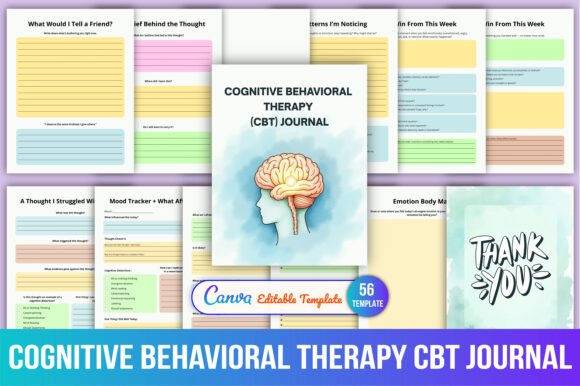
A CBT journal is a powerful companion to the therapy process. It provides a space for reflection, tracking progress, and applying CBT techniques in a consistent way. The journal includes prompts that guide you through various aspects of CBT, such as identifying cognitive distortions, tracking mood changes, and practicing self-compassion.
Using a CBT journal can be especially helpful if you're working with a therapist or trying CBT on your own. It allows you to document your experiences, observe patterns, and reinforce positive changes over time. The structured nature of the journal ensures that you stay focused on your goals and maintain momentum in your journey toward better mental health.
Key Features of the CBT Journal
- Daily Thought Check-Ins: These prompts encourage you to reflect on your thoughts throughout the day and identify any unhelpful patterns. By challenging these thoughts, you can replace them with more balanced and realistic ones.
- Mood Emotion Tracking: Keeping a record of your mood and the events that influence it helps you understand your emotional patterns. This awareness can lead to more effective coping strategies and better emotional regulation.
- Inner Critic vs. Inner Coach: This section helps you distinguish between self-criticism and constructive feedback. Learning to respond to your inner critic with kindness and realism can significantly reduce self-doubt and improve self-esteem.
- Guided Journaling Prompts: From reflecting on weekly achievements to rewriting difficult memories, these prompts provide a variety of ways to engage with CBT principles and promote healing and insight.
- Grounding Techniques: These exercises offer immediate relief from overwhelming emotions. They can be used as part of an emotional safety plan to help you stay grounded during moments of distress.
- Self-Compassion Practice: Affirmations and reflections in this section help you cultivate a kinder, more accepting attitude toward yourself. This is essential for long-term emotional resilience and well-being.
- Behavioral Goal Setting: Focusing on value-based actions and developing habits that support mental clarity can help you align your daily activities with your personal goals and values.
- CBT Tools in Action: Classic tools like Thought Records, Emotional Body Maps, and Fear-Challenging exercises are included to give you hands-on experience with proven CBT techniques.
How to Use the CBT Journal Effectively
Using the CBT journal effectively requires consistency and openness. Start by setting aside a few minutes each day to reflect on your thoughts and emotions. Be honest with yourself about your experiences, even if they’re uncomfortable. The goal is not to eliminate all negative thoughts but to develop healthier responses to them.
It’s also important to track your progress over time. Notice when you feel more resilient, when you catch yourself having unhelpful thoughts, or when you successfully challenge a negative belief. Celebrate small victories—they contribute to long-term change.
If you're using the journal alongside therapy, share your insights with your therapist. This can help you gain deeper understanding and tailor your approach to your unique needs. If you're doing it on your own, consider joining online communities or support groups where you can share your experiences and learn from others.
Considerations Before Starting
Before beginning your CBT journey, it's important to set realistic expectations. CBT is a process that takes time and effort. There may be days when it feels difficult to change old thought patterns, but persistence is key. Be patient with yourself and celebrate every step forward.
Also, remember that CBT is not a one-size-fits-all solution. What works for one person may not work for another. Experiment with different techniques and find what resonates best with your personality and lifestyle. If you struggle with certain aspects of CBT, consider seeking guidance from a qualified professional.
Finally, always prioritize your mental health. If you ever feel overwhelmed or unable to cope, don’t hesitate to reach out for support. CBT is a powerful tool, but it should be used in conjunction with other resources and care options when needed.